Biostimulator injectables require a different approach from traditional hyaluronic acid fillers. Product preparation, patient selection, placement and the timing of results all influence treatment planning, making focused education especially important for providers expanding beyond foundational filler techniques.
Biostimulator injection training in Northern Virginia can help experienced medical aesthetic injectors understand how Sculptra and Radiesse fit into individualized facial-rejuvenation plans.
Rather than treating the products as interchangeable, advanced training should explain their different properties, clinical uses and technical requirements.
How Biostimulators Differ From Traditional Fillers
Traditional hyaluronic acid fillers are commonly selected to add targeted volume or contour.
Biostimulators are used with collagen stimulation in mind, so providers must consider how tissue response develops after treatment and how that gradual change affects dosing, treatment intervals and patient expectations.
A comprehensive course should connect product science with facial anatomy and long-term planning. Injectors need to understand not only where a product may be placed, but why it is appropriate for a particular patient and how it supports the broader treatment strategy.
Sculptra Training for PLLA Treatment Planning
Sculptra is a poly-L-lactic acid injectable used to stimulate collagen and support gradual improvement. Because the treatment does not behave like a conventional volumizing filler, preparation and dilution, placement, treatment sequencing and follow-up planning deserve specific attention.
Advanced Sculptra education may cover:
-
- Patient consultation and candidacy assessment
-
- Preparation reconstitution and dilution principles
-
- Facial anatomy and individualized treatment mapping
-
- Injection techniques and treatment protocols
-
- Pre-treatment and post-treatment guidance
-
- Recognition and management of potential complications
Radiesse Training for CaHA and Hyperdilute Techniques
Radiesse is a calcium hydroxylapatite injectable with characteristics that differ from PLLA products. Depending on the treatment plan and technique, providers may use CaHA for structural support or in a hyperdilute approach intended to distribute the product more broadly.
Hyperdilute Radiesse training should address dilution strategy, tissue quality, patient assessment and precise product placement. These decisions cannot be reduced to one formula because anatomy, treatment area and clinical goals vary from patient to patient.
What Advanced Biostimulator Training Should Include
A strong course brings the shared skills for both products into one clinical framework. Core topics should include facial assessment, product selection, anatomy, safe injection technique, dosing considerations, complication awareness and realistic expectation setting.
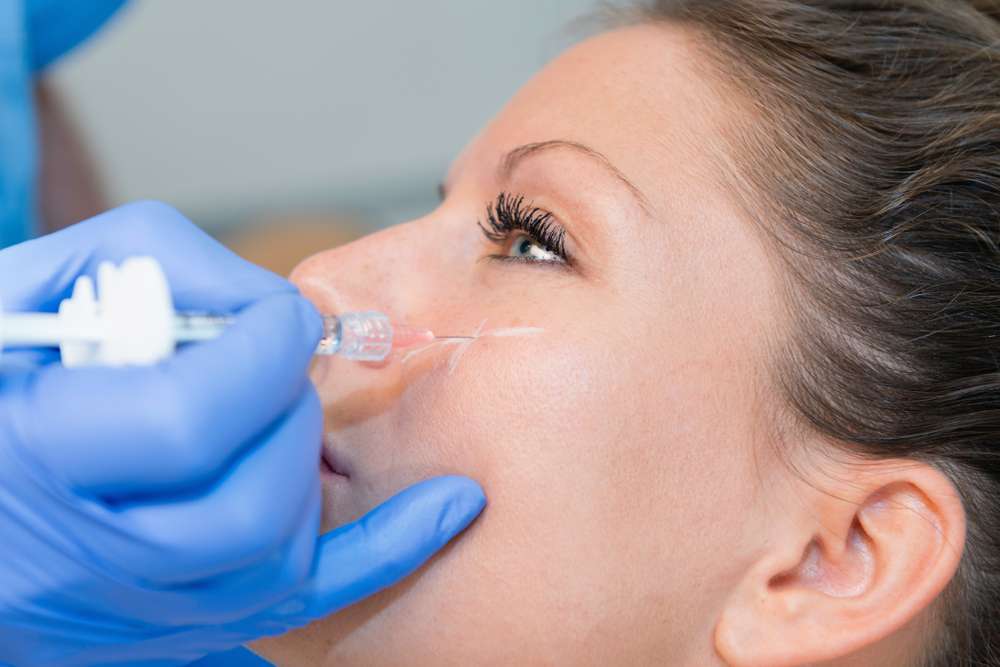
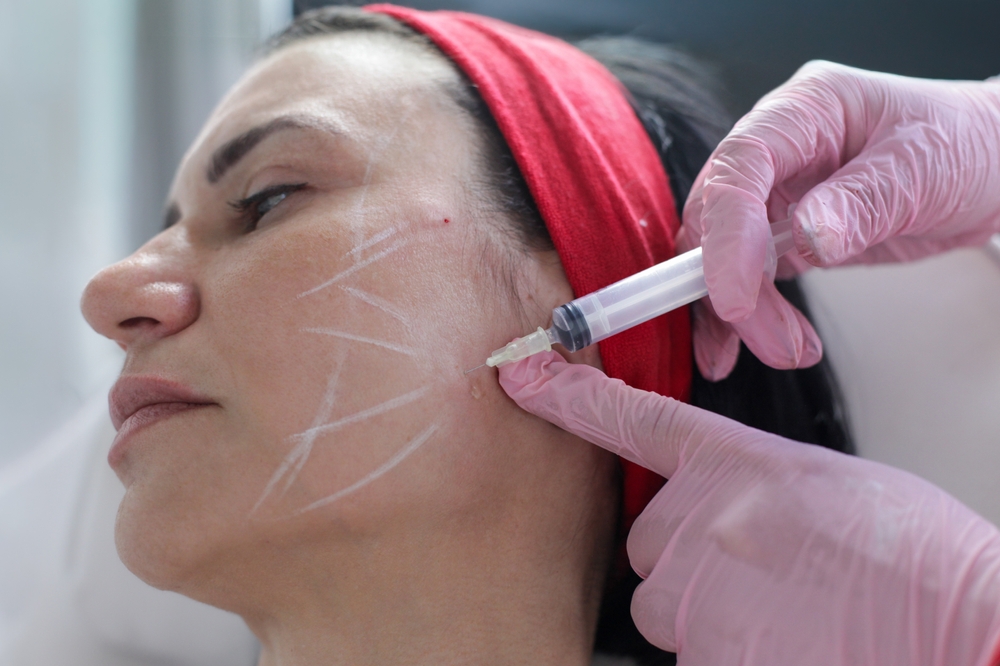
Hands-on demonstrations and supervised practice are especially valuable because they allow participants to connect classroom concepts with real anatomy. Immediate feedback can help injectors improve precision, recognize differences in tissue and refine how they adjust a plan for the individual patient.
Who Should Consider Biostimulator Training
Advanced biostimulator courses are intended for qualified healthcare professionals who have completed foundational and advanced injectable education. Individual prerequisites may vary, so providers should confirm course eligibility before registering.
Enroll in Biostimulator Injection Training
Art of Injection Academy offers collagen-stimulation education for medical professionals interested in Sculptra and Radiesse techniques at its Vienna training center, serving providers throughout Northern Virginia.
To learn about upcoming biostimulator courses, call Art of Injection Academy at 703-517-6600 or contact the academy online to discuss the training option that best matches your experience and goals.